
Why Your Jaw Hurts Beside Your Ear—and What to Do Next
Chewing pain favors the jaw joint or muscles. Lingering tooth sensitivity suggests a dental source. Rapid swelling or sudden hearing loss needs urgent care.
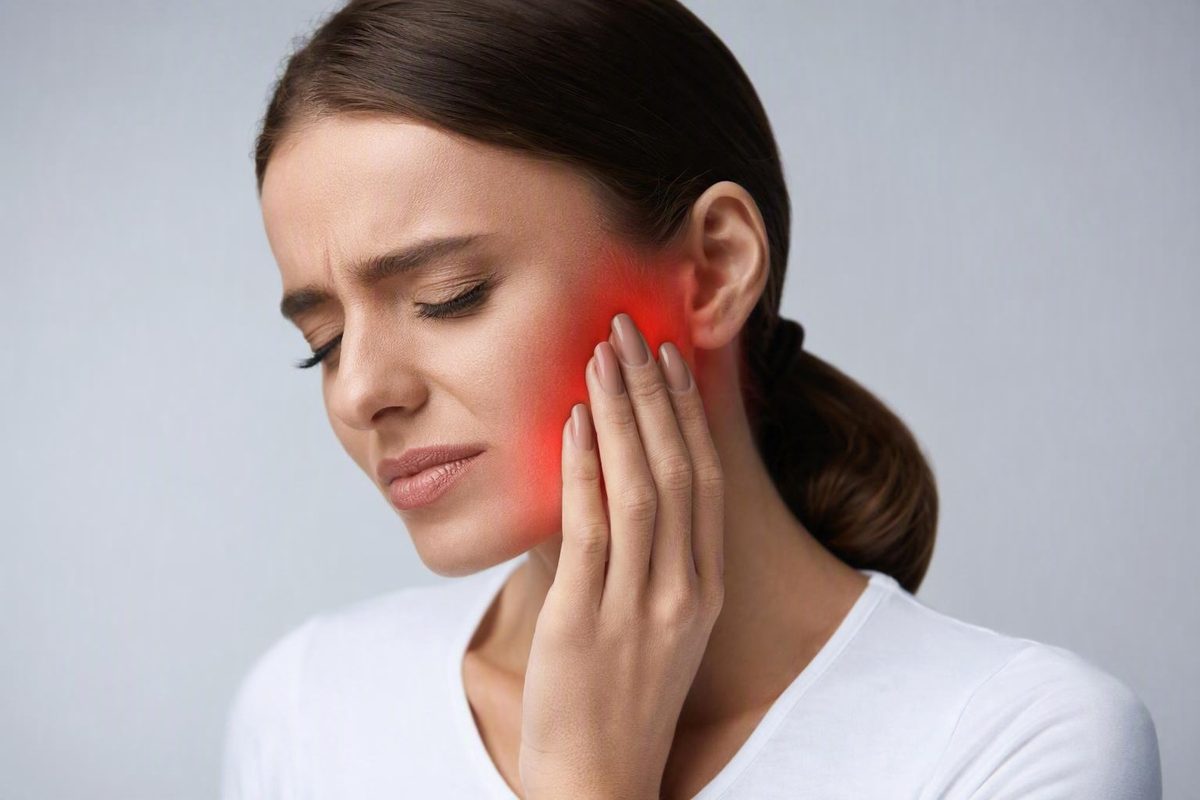
An ache in the jaw near the ear can come from the jaw joint, chewing muscles, teeth, ear, sinuses, neck muscles, arthritis, or an injury. Because these structures sit close together and can produce referred pain, location alone cannot identify the source.
The safest approach is to check first for emergency warning signs. If none are present, compare the symptoms accompanying the pain—such as chewing triggers, tooth sensitivity, fever, drainage, congestion, swelling, or restricted jaw movement—before deciding whether brief self-care or a professional examination is appropriate.
First, check for symptoms that need urgent or emergency care
Get emergency help now if:
- Chest or shoulder discomfort spreads to your jaw, particularly with shortness of breath. Do not treat this as an ordinary jaw-joint problem.
- You have trouble breathing or swallowing, or swelling of the face, jaw, mouth, or neck is increasing rapidly.
- Your jaw looks deformed, appears out of position, or is stuck open or closed after an injury or unusually wide opening.
- Severe symptoms began after a major blow, fall, sports injury, or vehicle accident.
- You experience sudden hearing loss.
- You develop new facial weakness or numbness.
Jaw discomfort associated with chest or shoulder symptoms can be a sign of a heart attack. A broken or dislocated jaw also requires immediate treatment, according to Cleveland Clinic’s jaw-pain guidance.
Breathing or swallowing difficulty with rapidly increasing facial, jaw, mouth, or neck swelling may accompany a spreading infection. Severe ear-area pain with fever or drainage, or high fever with swelling near or behind the ear, also needs prompt medical assessment rather than routine home treatment. A medically reviewed overview of ear and jaw pain describes dental infection, ear infection, and mastoiditis among the conditions that can cause combinations of pain, fever, swelling, drainage, or difficulty opening the mouth.
Sudden hearing loss is time-sensitive and requires immediate medical assessment. Do not wait to see whether resting the jaw helps. Sudden severe ear pain with fever, chills, or drainage also warrants medical or urgent-care evaluation, as summarized in this jaw-versus-ear symptom guide.
Minimize jaw movement and obtain urgent assessment.
Why pain from the jaw can feel as though it is in the ear
You have a temporomandibular joint on each side of your face. Each joint connects the lower jaw to the skull and lies immediately in front of the ear. It moves whenever you chew, talk, yawn, or otherwise open and shift your jaw.
That position makes the source of pain difficult to identify. A problem in the joint or chewing muscles may feel like an earache. A tooth problem may radiate into the cheek, jaw, or ear. Ear or sinus pressure may be perceived in the jaw, while neck muscles can send discomfort upward toward the area below the ear.
This is called referred pain: where you feel pain is not necessarily where it began. Closely situated tissues and shared nerve pathways can make pain signals difficult to localize. The relationship between the jaw joint, ear, and nearby nerves is explained in this overview of connected ear and jaw pain.
An ache beside the ear—or one that seems to be inside it—does not by itself establish:
- A temporomandibular disorder
- An ear infection
- A dental abscess
- Sinus inflammation
- Muscle strain
- Arthritis
- A joint injury
One-sided pain is not diagnostic either. It can fit a localized tooth, muscle, or joint problem, but the painful side does not identify the affected structure.
It also helps to distinguish two commonly confused terms:
- TMJ means the temporomandibular joint itself—the anatomical joint in front of the ear.
- TMD means temporomandibular disorders, a group of conditions involving pain or impaired function in the joint and associated muscles.
You can therefore have pain “at the TMJ” without knowing whether you have a TMD. Diagnosis depends on the history and examination, not simply where you can point to the ache.
Compare the most plausible causes by their accompanying clues
The following table is a comparison tool, not a diagnostic test. Causes can overlap, and more than one contributor may be present—for example, clenching alongside a painful tooth. The absence of fever, swelling, or a textbook symptom pattern does not rule out disease.
| Possible source | Clues that may fit | Clues that call for prompt care | Reasonable first clinician |
|---|---|---|---|
| Jaw joint or chewing muscles | Pain worsened by chewing, yawning, talking, or stress; jaw tenderness or fatigue; stiffness; headaches; painful clicking; limited opening; locking; ear pressure without clear infection signs | Jaw remains stuck; movement becomes substantially restricted; pain is severe or rapidly worsening; normal eating or speaking becomes difficult | Dentist or primary care clinician |
| Clenching or grinding | Morning soreness; facial tightness; headaches; stress-related tension; worn, chipped, or damaged teeth | Significant tooth damage, severe pain, markedly impaired opening, or facial swelling | Dentist, with medical input when broader sleep or muscle concerns are present |
| Dental problem | One clearly painful tooth; lingering sensitivity to hot or cold; pain on biting; gum or cheek swelling; a bump on the gum; bad taste or odor; difficulty opening the mouth | Fever; rapidly increasing swelling; trouble breathing or swallowing; swelling spreading through the face or neck | Dentist promptly; emergency care for airway symptoms or rapidly spreading swelling |
| Ear condition | Deep, throbbing, or sharp ear pain; fever; drainage; muffled hearing; dizziness; congestion; low energy; recent respiratory illness | Sudden hearing loss; severe pain with fever or drainage; high fever or swelling near or behind the ear | Primary care, urgent care, or another medical service; immediate assessment for sudden hearing loss |
| Sinus-related pain | Nasal congestion; facial pressure; reduced smell; pain worse when bending forward; soreness across several upper teeth rather than one localized tooth | Severe swelling, weakness or numbness, marked worsening, or significant systemic illness | Primary care clinician |
| Jaw, neck, or shoulder muscles | Tenderness along the jawline; neck or shoulder tightness; stress-related worsening; posture-related strain; pain below the ear | Weakness, numbness, symptoms after major injury, or severe functional loss | Primary care clinician, dentist, or physical therapist after assessment |
| Arthritis or other joint disease | Known osteoarthritis or inflammatory joint disease; stiffness; reduced movement; recurring joint pain | Sudden major loss of function, severe swelling, fever, or symptoms after injury | Primary care clinician, dentist, or the clinician managing the joint disease |
| Jaw injury or dislocation | Pain beginning after a fall, blow, dental procedure, prolonged mouth opening, wide yawn, or sudden over-opening | Deformity; jaw stuck open or closed; severe symptoms after a major impact | Urgent care or emergency department, depending on severity |
Mechanical jaw symptoms can include pain with chewing or yawning, tightness, headaches, painful joint sounds, locking, and limited movement. Penn Medicine’s TMD symptom overview describes pain or functional problems involving the jaw joint and muscles, while emphasizing that a clinician may be needed to assess persistent symptoms.
A tooth abscess may cause localized tooth pain, temperature sensitivity, biting pain, oral or facial swelling, fever, difficulty opening the mouth, or pain radiating toward the ear. Ear infections may cause fever, congestion, drainage, hearing symptoms, or low energy. These overlapping patterns are summarized in the medically reviewed ear-and-jaw pain differential.
A tooth abscess cannot be resolved merely by resting the jaw or applying heat. It requires dental evaluation and treatment. Conversely, fever, ear drainage, or hearing changes should not be assumed to come from TMD simply because chewing also hurts.
Muscular referral is another possibility. The sternocleidomastoid muscle extends from below the ear toward the collarbone, and irritation in this region can contribute to pain perceived around the ear and jaw. Neck posture, shoulder tension, and stress may provide useful context, but they do not exclude dental, ear, or joint disease.
How to interpret clicking, locking, morning pain, and one-sided symptoms
Individual details can make one category more plausible, but none provides a diagnosis on its own.
Pain with movement: If the ache repeatedly appears or intensifies when you chew, yawn, talk, or open your mouth, a mechanical source involving the jaw joint or chewing muscles becomes more plausible.
Clicking or popping: An isolated, painless sound differs from a sound accompanied by pain, locking, restricted opening, or loss of function. Painful clicking deserves more attention when jaw movement is changing or ordinary activities are becoming difficult.
Locking: A jaw that repeatedly catches or briefly locks should be assessed, especially if episodes are becoming more frequent. A jaw that remains stuck open or closed, or cannot move through anything close to its usual range, needs prompt evaluation. Persistent locking matters more than an isolated pop.
Morning soreness: Waking with jaw fatigue, facial tightness, or a headache can be consistent with overnight clenching or grinding, but it is not proof. Tooth wear, chipped teeth, headaches, and noticed daytime clenching may provide additional context. A dentist can examine the teeth and jaw rather than relying on the morning pattern alone.
One-sided symptoms: Pain on one side may reflect a localized tooth, one jaw joint, or a muscle on that side. It can also be referred from another nearby structure. The side does not reliably distinguish TMD from dental, ear, sinus, or muscle pain.
The event immediately before the pain matters. Ask whether symptoms began after:
- Recent dental work
- Keeping the mouth open for a long procedure
- A forceful or wide yawn
- Biting hard food
- Repeatedly chewing something tough or sticky
- A fall, blow, collision, or sports injury
A dislocation can follow sudden, unusually wide opening, while pain after trauma may reflect an injury rather than a routine TMD flare. Sudden pain beside the joint should not automatically be labeled “TMJ,” particularly when it follows injury, dental treatment, or prolonged opening.
What you can cautiously try for mild, uncomplicated symptoms
Short-term self-care is reasonable only when symptoms are mild and there is no fever, facial or gum swelling, mouth or neck swelling, ear drainage, sudden hearing change, significant injury, suspected infection, marked locking, or serious loss of jaw function.
Reduce the workload on the jaw
For a few days, consider:
- Choosing soft or blended foods
- Cutting food into smaller bites
- Chewing slowly without forcing a painful range of movement
- Avoiding hard, crunchy, sticky, or chewy foods
- Avoiding foods that require a very wide bite
- Skipping gum
- Avoiding nail biting and chewing pens or other objects
- Reducing unnecessary talking if it predictably worsens the pain
- Avoiding unusually wide yawning
- Noticing and releasing daytime clenching
Keep these changes temporary and maintain adequate nutrition. The goal is to reduce strain while watching the symptom pattern—not to prove that the pain comes from the jaw joint.
Try gentle heat or wrapped cold
Neither heat nor cold is universally better.
- Gentle heat may feel better for a dull ache, muscle tightness, or jaw fatigue.
- A wrapped cold pack may be preferable for sharp discomfort or minor swelling clearly associated with uncomplicated overuse.
Do not use routine home treatment for unexplained facial, gum, mouth, jaw, or neck swelling—especially when it is increasing or accompanied by fever, tooth symptoms, drainage, or trouble swallowing.
Place a cloth between the skin and the heat or cold source. Avoid extreme temperatures and prolonged exposure. Stop if the skin becomes painful, very red, numb, blistered, or otherwise damaged. The TMJ Association’s self-care guidance likewise advises protecting bare skin from cold and avoiding burns or cold injury.
Relief from a compress does not identify the cause. Muscle pain, joint pain, and other conditions may all change temporarily with temperature.
Let the jaw rest in a neutral position
When you are not eating or speaking, allow the lips to rest together while keeping the teeth slightly apart. Avoid deliberately holding the jaw rigid.
Slow breathing, stress reduction, and awareness of head and shoulder posture may reduce unnecessary tension. These are strain-reduction measures, not cures for an infection, injury, or dental condition.
Be cautious with exercises
Do not begin forceful stretching or resisted opening and closing merely because the pain is near the TMJ. Stop any movement that increases pain. Strengthening or resistance exercises are not appropriate during severe active pain unless a clinician has examined the problem and recommended a specific program. General exercise guidance also advises stopping jaw exercises if they cause pain and seeking professional advice when painful movement continues (Colgate).
Use nonprescription pain relief only if it is safe for you
Some people consider a nonprescription pain medicine for short-term relief. Follow the product label, do not exceed labeled directions, and check the ingredients before combining products.
This article cannot determine which medicine or dose is appropriate for you.
Self-care may reduce strain, but it cannot treat a dental abscess, ear disease, fracture, dislocation, spreading infection, or another underlying cause.
When to arrange an appointment instead of continuing self-care
About one week of persistent jaw pain is a practical point for discussing the symptom with a healthcare professional. It is not a rule requiring you to wait that long. Cleveland Clinic recommends contacting a provider when jaw pain lasts more than a week and seeking emergency care for suspected fracture, dislocation, or chest-related symptoms in its jaw-pain care guidance.
Arrange an earlier examination if the pain:
- Progressively worsens
- Becomes severe
- Keeps returning
- Disrupts sleep
- Prevents normal eating or speaking
- Substantially restricts mouth opening
- Is accompanied by recurring locking
- Follows trauma, a sudden wide yawn, or prolonged mouth opening
- Began after a recent dental procedure
Also seek assessment for painful clicking with restricted movement, facial or gum swelling, fever, ear drainage, hearing changes, persistent congestion, or continuing facial pressure.
Actual difficulty swallowing—especially with swelling or breathing difficulty—is an emergency warning sign, not a reason to wait for a routine appointment.
Partial improvement with softer foods, heat, or cold does not establish TMD. Do not let temporary relief delay evaluation when pain persists, jaw function remains impaired, or symptoms point toward a tooth, ear, sinus, or injury-related problem.
Treatment differs by cause:
- Dental disease may require dental treatment.
- Ear or sinus disease may require medical evaluation.
- An injury requires assessment appropriate to its severity.
- A confirmed TMD may be managed with reversible conservative measures, clinician-directed exercises, or physical therapy.
Be cautious about proceeding directly to treatment that permanently changes the teeth, bite, or jaw joint. Penn Medicine reports that experts from the National Institute of Dental and Craniofacial Research recommend avoiding permanent alterations and surgery as routine early approaches; diagnosis and appropriate specialist assessment should come first (Penn Medicine).
Who to see: dentist, primary care clinician, ENT, urgent care, or emergency department
Choose the starting point according to the dominant accompanying symptoms, not simply because the pain is next to the ear.
-
Start with a dentist promptly when you have one clearly painful tooth, lingering temperature sensitivity, pain on biting, gum swelling, a bump on the gum, cheek swelling, a bad taste or odor, or concern about a dental infection.
-
Start with primary care, urgent care, or another medical service when fever, ear drainage, muffled hearing, dizziness, congestion, low energy, or a recent respiratory illness makes an ear or sinus condition more plausible.
-
Start with a dentist or primary care clinician for persistent movement-related symptoms such as chewing pain, jaw tenderness, painful clicking, stiffness, recurring locking, or limited opening. Either can assess the initial pattern and refer across disciplines if necessary.
-
Consider ENT or hearing evaluation when hearing loss, persistent ear symptoms, or recurring ear-area pain remains unexplained after an initial examination. Sudden hearing loss requires immediate medical assessment rather than a routine referral.
-
Use urgent or emergency care as appropriate for major trauma, suspected fracture or dislocation, a jaw stuck open or closed, rapidly spreading swelling, breathing or swallowing difficulty, sudden hearing loss, facial weakness or numbness, or chest or shoulder symptoms spreading to the jaw.
These routes reflect the symptom patterns described in guidance comparing TMD with ear disease, including the need for medical assessment when fever, drainage, respiratory illness, or hearing symptoms accompany the pain (Auslander Dental).
No single clinician is always the correct first choice. A dentist may find that the teeth and jaw joint appear normal and recommend medical or ENT assessment. A medical clinician may examine a normal ear and suggest dental or jaw evaluation. That crossover reflects the overlapping anatomy rather than a failed examination.
Bring a concise history to the appointment:
- When the pain began
- Which side is affected
- Whether it is constant or intermittent
- Which movements trigger it
- Whether it is worse in the morning
- Whether opening the mouth is restricted
- Whether the jaw clicks, catches, or locks
- Whether any tooth is sensitive
- Whether you have fever, swelling, or drainage
- Whether hearing has changed
- Whether you have congestion or facial pressure
- Any recent respiratory illness
- Recent dental work or prolonged mouth opening
- Any fall, blow, collision, or other injury
Use a short symptom diary to replace guesswork with useful details
A short diary can reveal patterns that are difficult to remember during an appointment. Use the following checklist once or twice daily and whenever symptoms noticeably change.
Pain pattern
- [ ] Date and approximate time the pain began
- [ ] Constant or intermittent
- [ ] Left side, right side, or both
- [ ] Dull, tight, throbbing, sharp, burning, or pressure-like
- [ ] Stable, improving, or worsening
- [ ] Disturbs sleep
Movement and timing
- [ ] Worse with chewing
- [ ] Worse with yawning
- [ ] Worse with talking
- [ ] Worse with wide opening
- [ ] Present or worse on waking
- [ ] Associated with hard or chewy food
- [ ] Associated with stress or noticed clenching
Jaw function
- [ ] Clicking or popping
- [ ] Painful joint sounds
- [ ] Stiffness or fatigue
- [ ] Catching or locking
- [ ] Jaw stuck open or closed
- [ ] Restricted mouth opening
- [ ] Bite feels different
Dental clues
- [ ] One specific tooth hurts
- [ ] Sensitivity to hot or cold
- [ ] Pain when biting
- [ ] Gum or cheek swelling
- [ ] Bump on the gum
- [ ] Bad taste or odor
- [ ] Recent filling, extraction, cleaning, or other dental work
Ear and general health clues
- [ ] Fever or chills
- [ ] Ear drainage
- [ ] Muffled hearing
- [ ] Sudden hearing change
- [ ] Dizziness
- [ ] Recent respiratory illness
- [ ] Facial, jaw, mouth, or neck swelling
- [ ] Facial weakness or numbness
Sinus and muscle clues
- [ ] Nasal congestion
- [ ] Reduced sense of smell
- [ ] Facial pressure
- [ ] Worse when bending forward
- [ ] Headache
- [ ] Neck or shoulder tightness
- [ ] Posture-related worsening
- [ ] Stress-related worsening
Recent events
- [ ] Hard-food use
- [ ] Prolonged mouth opening
- [ ] Very wide yawn
- [ ] Fall
- [ ] Blow to the face or head
- [ ] Sports or vehicle injury
The diary can improve the history you give a clinician, but it cannot confirm TMD, grinding, an abscess, an ear infection, sinus disease, arthritis, or an injury.
Pain Catalog provides general educational information, not diagnosis or a substitute for medical, dental, ENT, or emergency care. Readers with symptoms affecting only one side can also consult Pain Catalog’s related one-sided jaw-pain coverage, while remembering that an examination—not an online checklist—determines the cause.
The practical hierarchy is straightforward: seek emergency help for chest-related symptoms, breathing or swallowing difficulty, rapidly expanding swelling, major trauma, suspected fracture or dislocation, sudden hearing loss, or facial weakness or numbness. Arrange prompt dental or medical care for infection clues or impaired jaw function. Reserve brief strain reduction for mild symptoms without warning signs. The position of the jaw joint explains why the location is confusing, but accompanying symptoms and a professional examination determine what to do next.
Frequently asked questions
Can TMJ problems cause an ache in the jaw near the ear?
Yes. The temporomandibular joint sits directly in front of the ear, and pain from the joint or associated chewing muscles may be perceived beside or inside the ear. TMD may also involve pain with chewing or yawning, stiffness, limited opening, headaches, painful clicking, or locking (Premier Dental Club).
However, an ache in that location does not prove TMD. Teeth, the ear, sinuses, neck muscles, arthritis, and injuries can produce similar pain.
How can I tell possible TMD from an ear infection or dental abscess?
A mechanical jaw source becomes more plausible when pain consistently worsens with chewing, yawning, talking, or opening the mouth and occurs with jaw tenderness, stiffness, painful clicking, or restricted movement.
Fever, ear drainage, muffled hearing, dizziness, low energy, or a recent respiratory illness points more toward an ear condition. A clearly painful tooth, lingering temperature sensitivity, biting pain, a gum bump, facial or gum swelling, or a bad taste points more toward a dental problem. These are clues rather than diagnostic rules, as symptoms of TMD, ear disease, and dental disease can overlap (Grateful Dental).
A dentist should assess suspected dental infection; ear and systemic symptoms generally warrant medical evaluation.
Should I use heat or ice for pain beside the ear?
Either may be tried cautiously for mild symptoms without infection, unexplained swelling, significant injury, or marked loss of jaw function. Gentle heat may feel more comfortable for a dull ache or muscle tightness, while a wrapped cold pack may help sharp discomfort or minor overuse-related swelling. Neither is universally superior.
Keep a cloth between the skin and the temperature source, avoid extreme temperatures or prolonged use, and stop if the skin becomes painful, numb, blistered, or damaged. These precautions are also included in the TMJ Association’s heat-and-cold guidance. Do not let temporary relief delay assessment of persistent or worsening symptoms.
Does jaw clicking near the ear mean the joint is damaged?
Not necessarily. Clicking or popping can accompany a TMD, but a painless sound alone does not prove joint damage or automatically require treatment. It becomes more important when accompanied by pain, repeated locking, limited opening, or loss of normal function. Jaw sounds and movement problems are among the symptoms discussed in this ear-and-jaw anatomy overview.
A jaw that remains stuck open or closed—or becomes substantially restricted—needs prompt evaluation rather than exercises or an attempt to force it back into position.
When should jaw pain near the ear be treated as an emergency?
Seek emergency help for chest or shoulder discomfort spreading to the jaw, especially with shortness of breath; trouble breathing or swallowing; rapidly increasing facial, mouth, jaw, or neck swelling; suspected fracture or dislocation; a jaw stuck after trauma or unusually wide opening; sudden hearing loss; facial weakness or numbness; or severe symptoms after a major blow, fall, or collision.
Severe ear-area pain with fever or drainage, or high fever with swelling near or behind the ear, also needs prompt medical assessment. For infection, major injury, or dislocation warning signs, do not massage, stretch, perform resistance exercises, force the jaw closed, or try to reposition it yourself. Jaw fractures, dislocations, and chest-related jaw pain are among the emergency situations identified in Cleveland Clinic’s guidance.